Marketing Strategy
Does Owning Your Published Pages Really Matter? What Happens if Your Platform Disappears
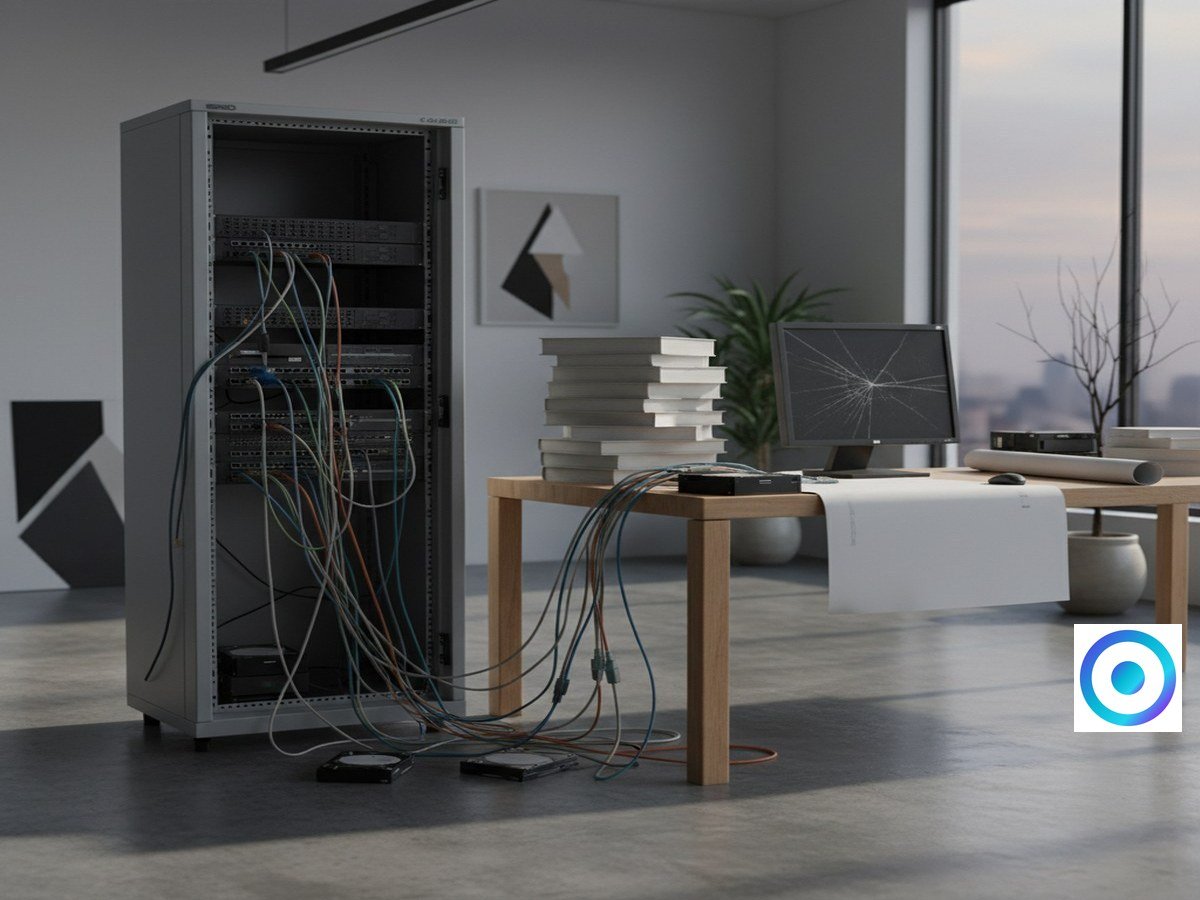
I get asked this question more often than you’d think, usually by someone who’s been burned before. They’ve invested time and money into building content on a platform, watched their business grow, and then woken up to find the service shut down or changed its terms overnight. Their pages disappeared. Their rankings tanked. Their traffic vanished.
Here’s the direct answer: if you don’t own your published pages, they can disappear with the platform. When you own pages on your own domain, they stay yours forever, your rankings survive, and your traffic keeps flowing even if the tool you used disappears. This is why we built Groundswell around permanent content ownership on your domain, not rented space on someone else’s platform.
It’s a legitimate fear. And honestly, it’s one of the reasons we built Groundswell the way we did.
Let me be straight with you: not all digital marketing platforms treat your content the same way. Some platforms own what you create. Some hold your pages hostage behind their walls. And some, when they go under, take your entire digital presence with them.
That’s not how this should work.
The Real Cost of Not Owning Your Content
When you publish content on someone else’s platform, you’re essentially renting space. You don’t own the real estate. You’re a tenant, not a landlord.
Here’s what that means in practice. If the platform changes its business model, your content might be locked behind a paywall. If they get acquired, the new owners might delete your pages to consolidate with their own service. If they go bankrupt, your content is gone. You have no recourse. You have no backup. You have no way to recover what you built.
I’ve seen it happen. A business invests six months into building their presence on a platform, ranks well, gets traffic, and then the platform pivots or shuts down. That business is back to square one. All that SEO work, all those rankings, all that organic traffic. Wiped out.
The financial hit is real. The time lost is real. The competitive advantage you’d built is gone.
Why Platform Ownership Models Matter More Than You Think
There are three basic models out there, and they’re not all created equal.
First, there’s the platform-owns-everything model. You create content, the platform owns it. Your pages live on their domain. If they disappear, so does your content. If they change their terms, you have no say. This is common with some social media management tools and content platforms.
Second, there’s the hybrid model. You can download your content, but it’s still optimized for their platform. If you move it elsewhere, you lose the optimization work. You’re stuck, effectively.
Third, and the one that actually protects you, is the model where you own your published pages permanently on your own domain. That’s what we do at Groundswell. When you publish a page through Swells, it lives on your domain. It’s yours. If we disappeared tomorrow, your pages would still be there. Your rankings would still be there. Your traffic would still flow to your site.
This isn’t just a nice feature. It’s foundational to how digital marketing should work.
What Happens When You Own Your Domain
Owning your published pages on your own domain changes everything.
First, you control the asset. The page is yours. You can move it, edit it, delete it, or repurpose it whenever you want. No platform can take it away. No terms-of-service change can affect it.
Second, your SEO work is permanent. Search engines rank pages on your domain. When you own those pages, you own the rankings. If a platform disappears, your rankings don’t. They stay with your domain because the pages are still there, still live, still serving your audience.
Third, you build equity. Every page you publish is an asset you own outright. It compounds over time. After a year, you have 52 pages on your domain. After two years, you have over 100. That’s a library of content that works for you, day after day, regardless of what happens to any tool or platform.
Fourth, you have portability. If you ever want to switch tools, migrate platforms, or change your approach, your content comes with you. There’s no lock-in. There’s no extraction penalty. You own it, so you move it.
The Difference Between Publishing Once and Appearing Everywhere
Here’s something else that matters. When you publish content on your own domain, you can syndicate it everywhere else without losing ownership.
You publish a page on your site. It appears on your domain. You can then share it on social media, include it in email campaigns, post it to your Google Business profile, share it in industry directories. The original page stays on your domain, generating SEO value and building your owned asset. The copies appear elsewhere, driving traffic back to your site.
This is different from publishing directly to those platforms. If you publish a blog post directly to LinkedIn, LinkedIn owns that post. If you publish to Facebook, Facebook owns it. You’re creating content for them, not for yourself.
When you publish once on your domain and distribute everywhere, you’re building your own asset while still reaching audiences where they are.
Platform Disappearance: It Happens More Than You Think
You might think platform disappearance is rare. It’s not.
There are dozens of digital marketing platforms that have shut down in the last five years. Some were acquired and consolidated. Some ran out of funding. Some pivoted so hard they abandoned their core users. Each time, businesses that had invested in those platforms lost their content, their rankings, and their traffic.
It’s not a hypothetical risk. It’s a real one.
The platforms that survive are the ones that find sustainable business models. But even those can change. A platform might be great for five years and then pivot in a direction that no longer serves you. The safest approach is to never depend entirely on any single platform for your digital presence.
You need to own the core asset: your published pages on your domain.
How to Protect Yourself: A Practical Approach
If you’re currently using platforms where you don’t own your content, here’s what I’d recommend.
First, audit what you have. Look at every platform you’re publishing to. Ask yourself: if this platform disappeared tomorrow, would my content still exist? Would my rankings survive? Would my traffic continue?
Second, prioritize migrating to a model where you own your pages. Start with your most important content. Get it on your domain. Get it optimized. Get it ranking.
Third, use tools and platforms as distribution channels, not publishing homes. Publish to your domain first. Then distribute to social media, email, directories, and other platforms. This way, the original asset is always yours.
Fourth, keep backups. Even if you own your pages on your domain, have a backup system in place. Export your content regularly. Store it somewhere safe. This gives you redundancy.
Fifth, choose partners carefully. If you’re going to use a platform, choose one that respects content ownership. Choose one that’s transparent about what happens to your content if the relationship ends.
What We Do Differently at Groundswell
We built Swells around this principle because we’ve seen too many businesses get hurt by the alternative.
When you publish through Groundswell, you own the pages. They live on your domain. We don’t hold them hostage. We don’t own them. We don’t control them. You do.
We also don’t make promises we can’t keep. We don’t guarantee rankings or traffic in 30 days. We don’t promise first-page results. We don’t claim you’ll get traffic in weeks. That’s not how SEO works, and anyone telling you otherwise is selling you a story, not a solution.
What we do is help you publish quality content consistently. We help you optimize it. We help you distribute it. We help you build your owned asset over time. And we do it honestly, with realistic timelines and transparent expectations.
We also deliberately cap the volume of pages we publish per week. Why? Because quality matters more than quantity. A hundred mediocre pages won’t help you. Ten great pages will. We’d rather help you build something that lasts than something that looks good in a pitch deck.
FAQ
Q: If I own my pages on my domain, can I still use other tools?
A: Absolutely. You can use Groundswell to publish and optimize, then use other tools for social media distribution, email marketing, or analytics. Your pages stay on your domain regardless.
Q: What if I want to leave Groundswell? Can I take my content with me?
A: Yes. Your content is on your domain. You own it. You can leave anytime and your pages stay exactly where they are, still ranking, still generating traffic.
Q: Does owning my pages mean I have to do all the technical work?
A: No. We handle the optimization, publishing, and distribution. You own the pages, but you don’t have to do the work yourself.
Q: How long does it take to see results from owned content?
A: That depends on your niche, your competition, and your content strategy. We don’t promise fast results because fast results aren’t realistic in SEO. What we do promise is honest timelines and consistent progress.
Q: Can I edit my published pages after they go live?
A: Yes. They’re your pages. You can edit them anytime.
The Bottom Line
Content ownership isn’t a luxury feature. It’s a fundamental principle of sustainable digital marketing.
If you’re building your business on a platform you don’t control, you’re building on sand. The platform can shift. The platform can disappear. You lose everything.
If you’re building on your own domain, you’re building on bedrock. Your content stays. Your rankings stay. Your traffic stays. You own the asset, and that asset grows in value every single day.
That’s how digital marketing should work. That’s how we work at Groundswell.
If you want to talk about how to own your content and build a sustainable digital presence, let’s chat. We offer a seven-day free trial with no card required. You can test it out, see how it works, and decide if it’s right for you.
Reach out on WhatsApp at +91 98811 04423, or email hello@getgroundswell.in. I’m here to answer your questions and help you think through what content ownership means for your business.
Your content is too valuable to rent. It’s time to own it.
Updated on 20 Nov 2026